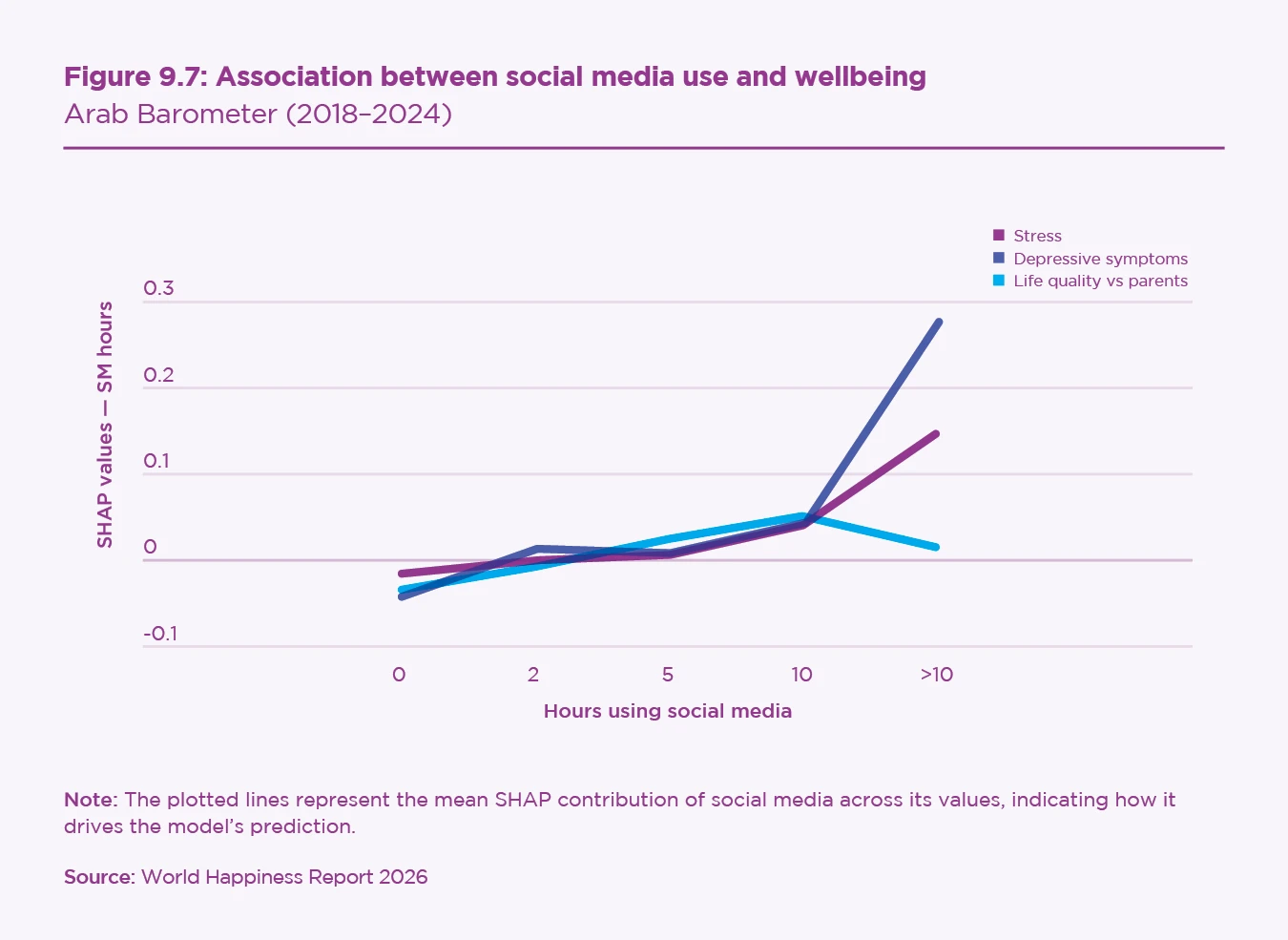
A chapter dated January 1, 2026, examines how social media use relates to wellbeing in the Middle East and North Africa. Drawing mainly on Arab Barometer surveys conducted between 2018 and 2024, its central finding is an association, not proof that social media use causes poorer wellbeing: people who reported spending more than five hours a day on social media tended to report more stress and depressive symptoms than those who used it less or not at all.
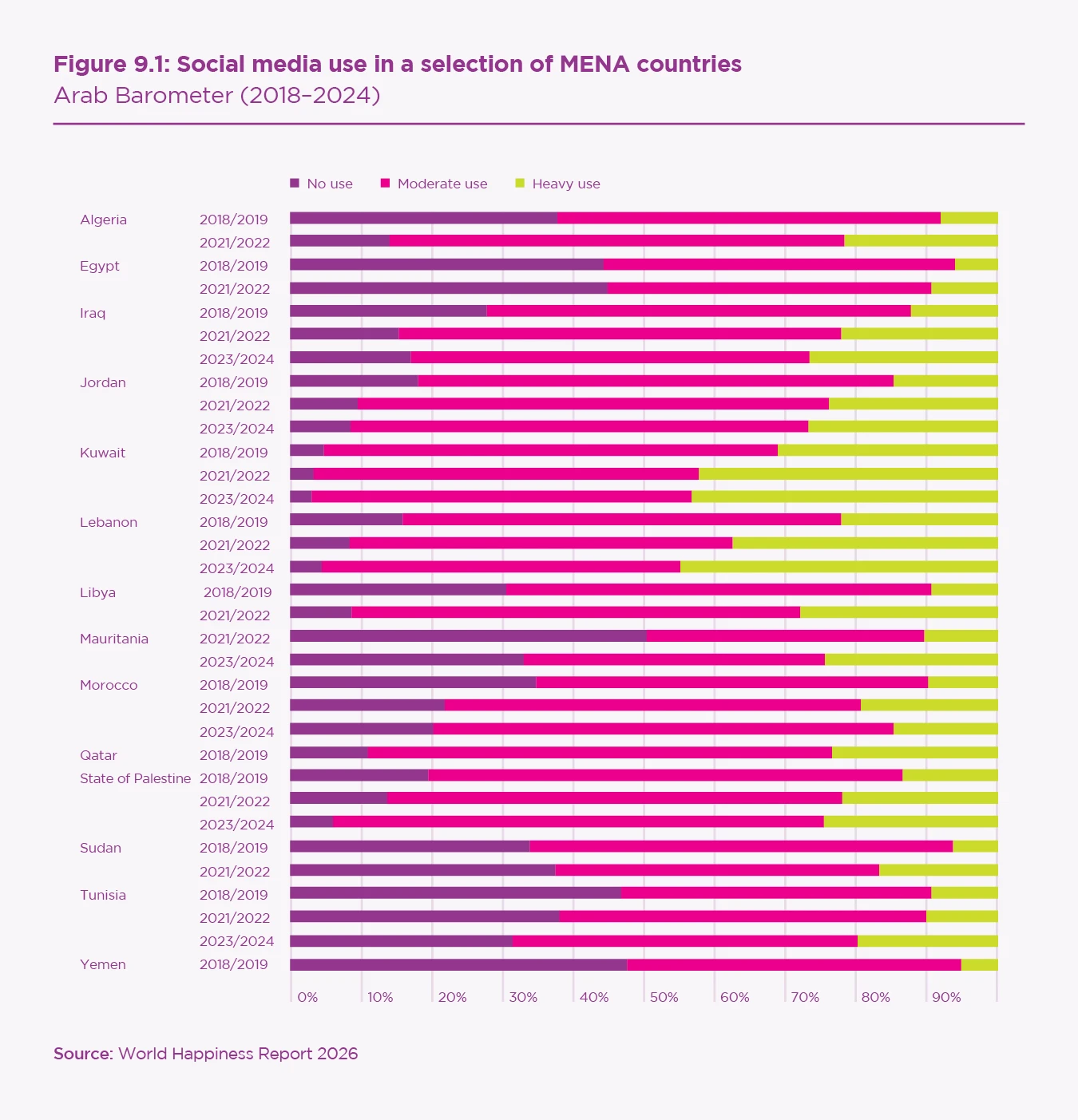
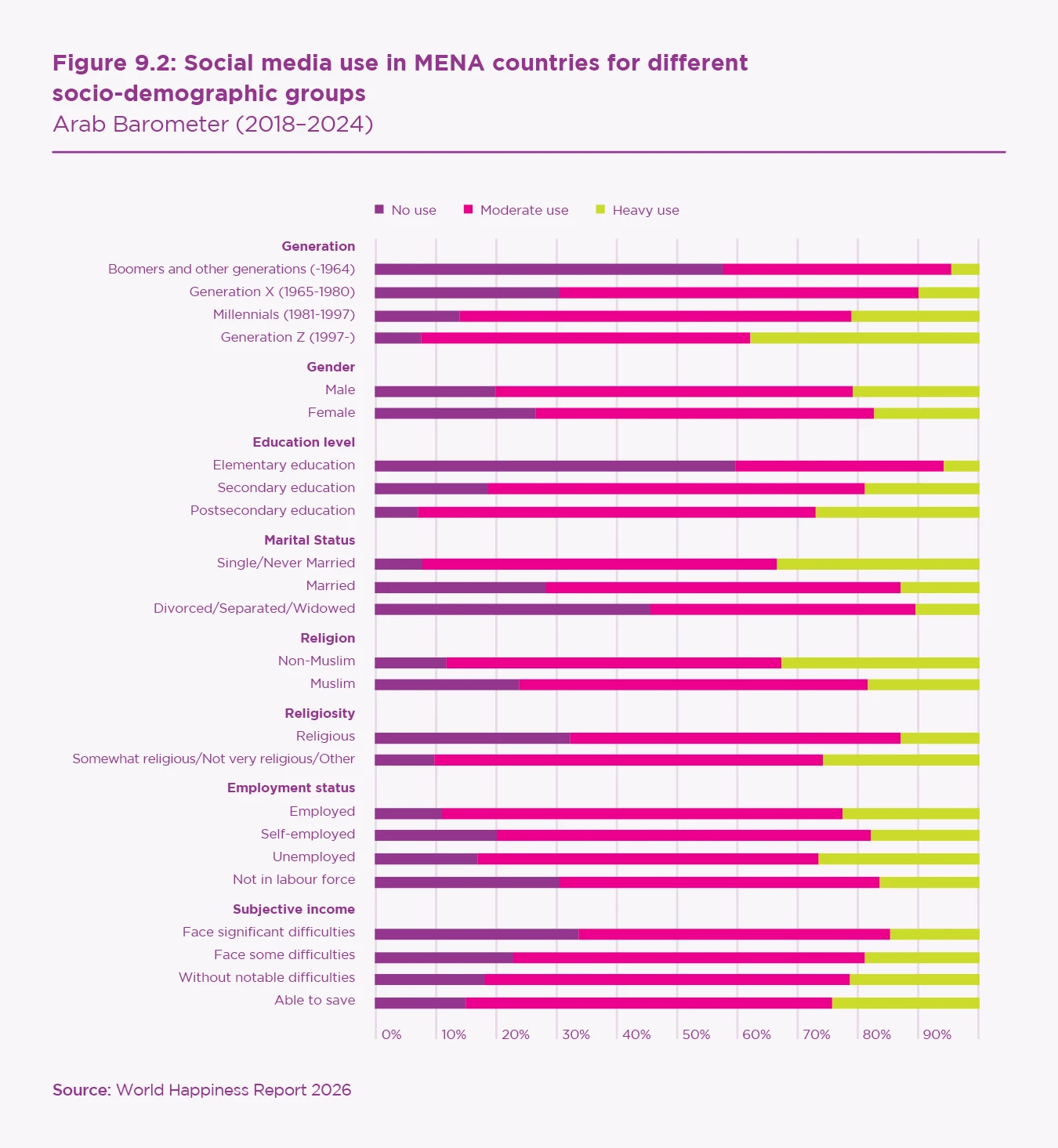
The chapter defines more than five hours a day as heavy use, based on the survey’s response categories—not as a clinical threshold. In the 2018–2019 data, 34.5% of heavy users reported feeling depressed often or most of the time during the preceding six months, compared with 28.1% of non-users and moderate users. For stress, the corresponding figures were 39.1% and 33.8%. After accounting for measured demographic and economic differences, the estimated gaps were 7.5 percentage points for depressive symptoms and 6.6 points for stress. These survey questions measured self-reported experiences, not diagnoses.
A separate question, asked in 2021–2022 and 2023–2024, concerned whether respondents felt their quality of life was worse than their parents’. That view was reported by 36.1% of heavy users and 31.6% of non-users and moderate users; the adjusted difference was 2.2 percentage points.


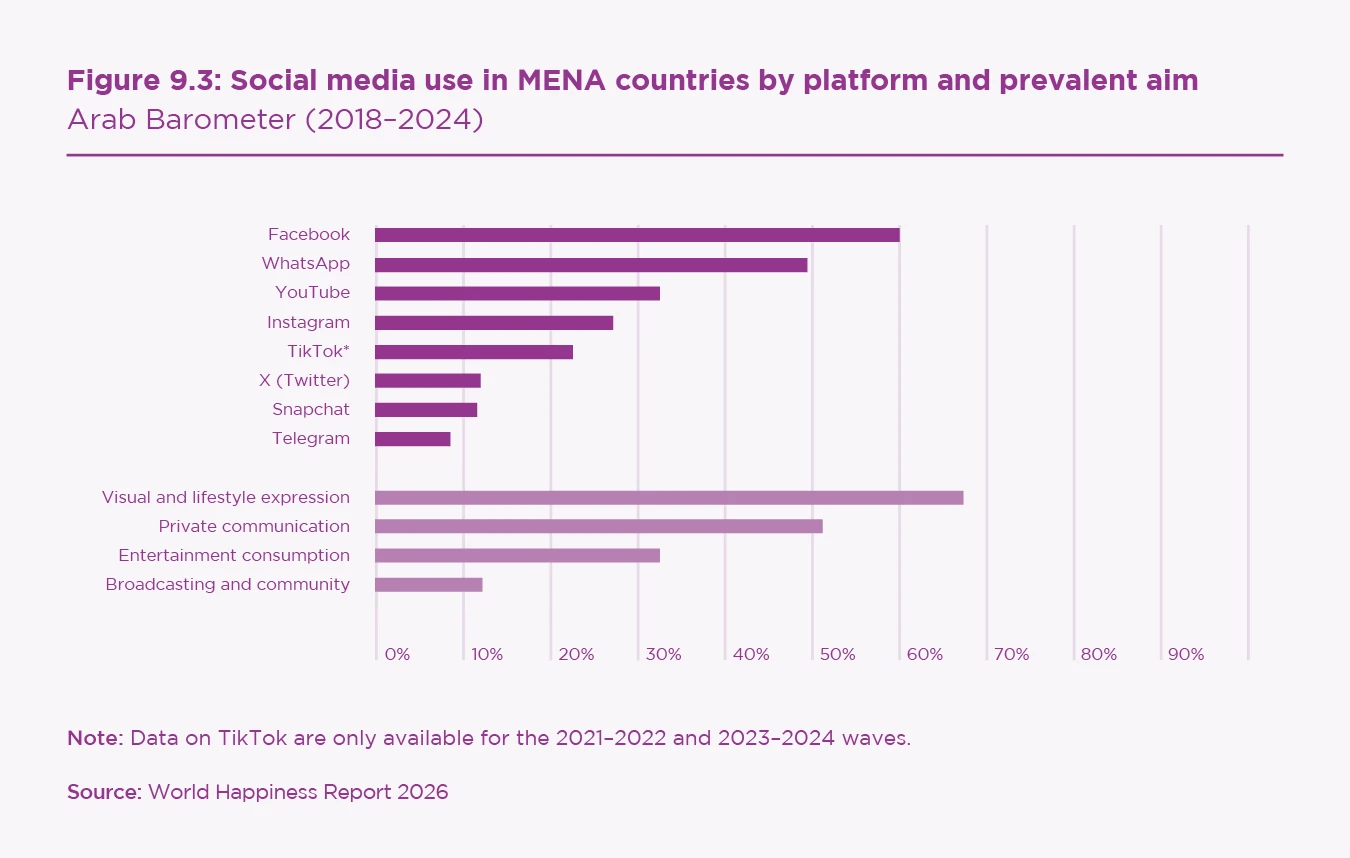
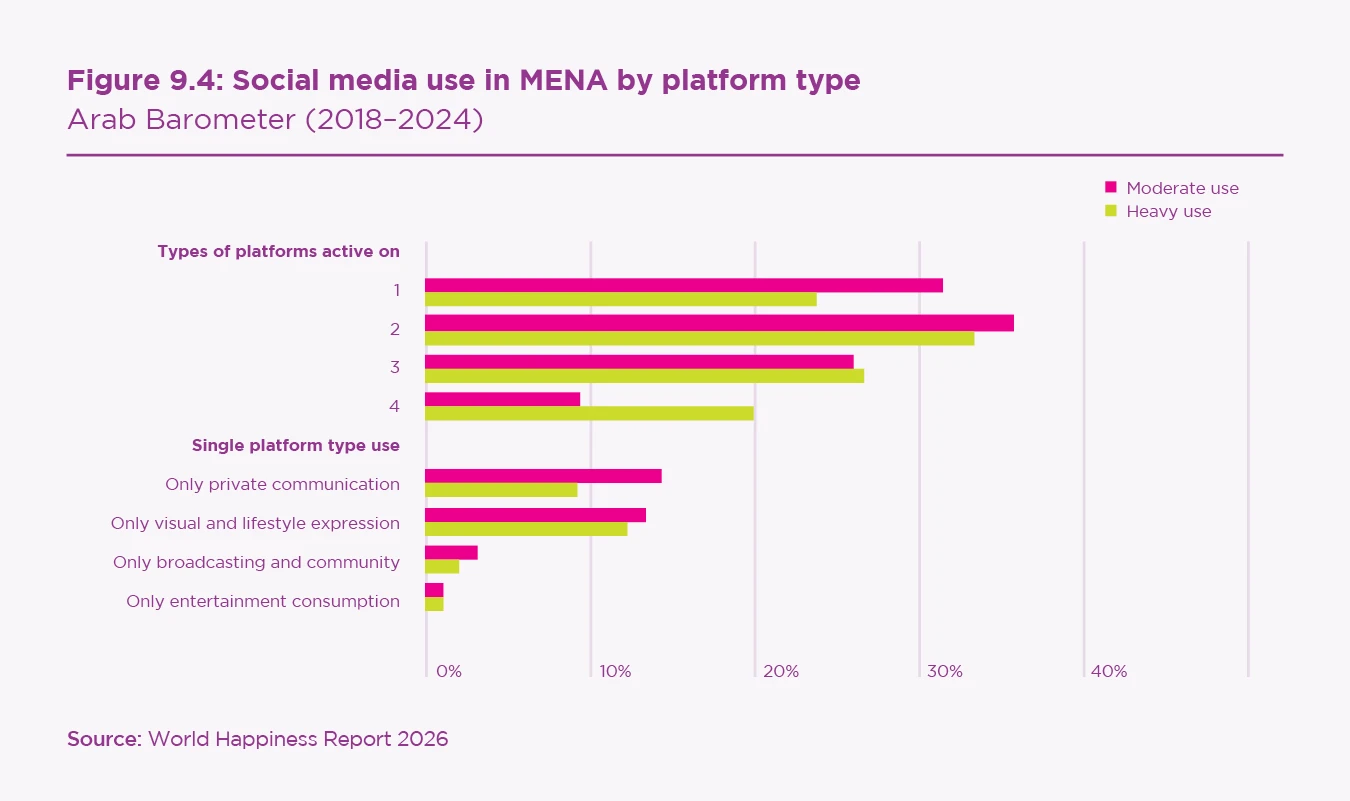
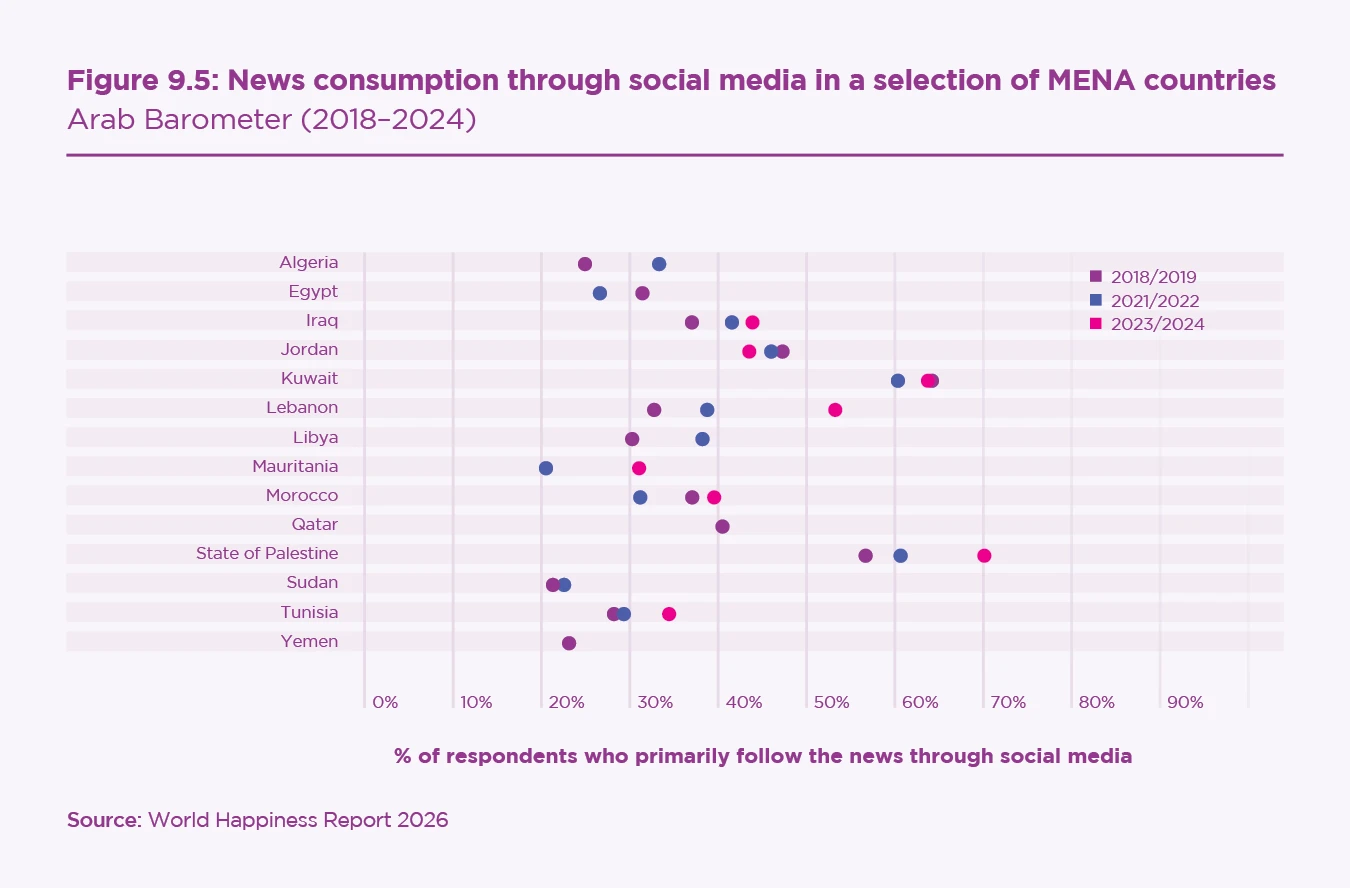
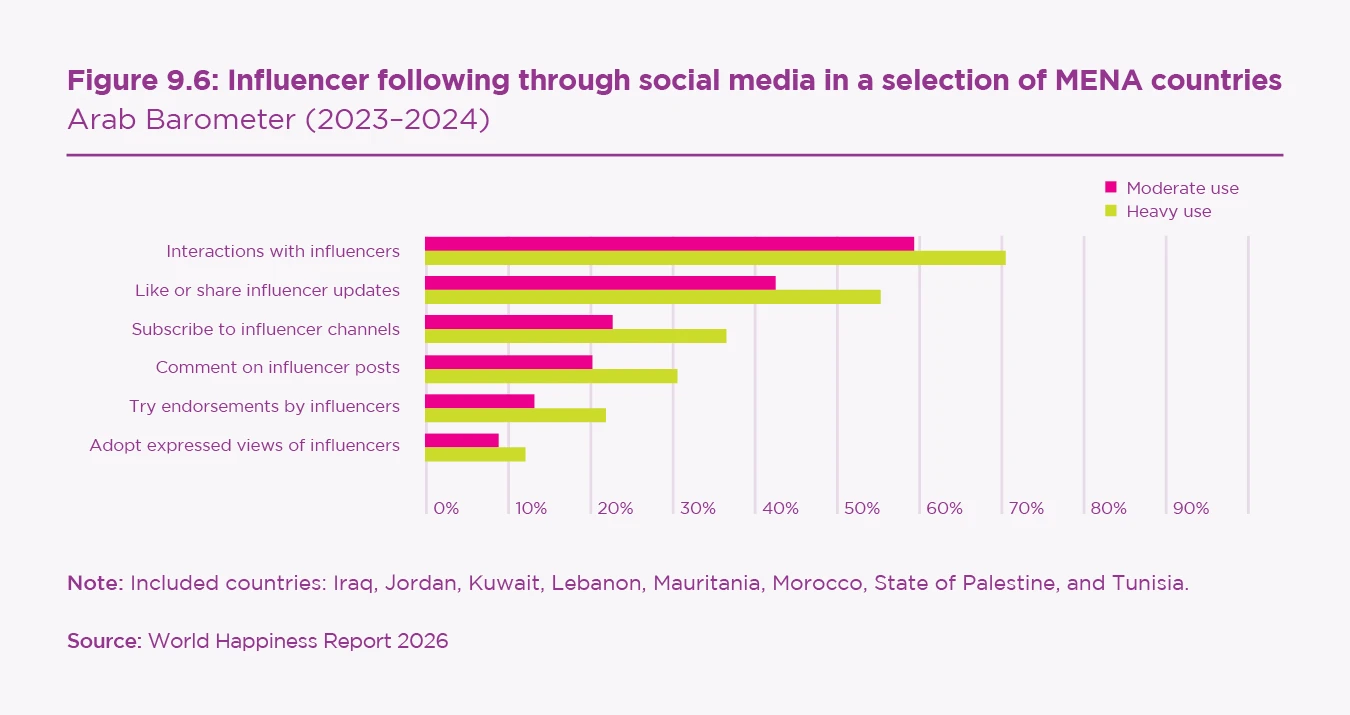
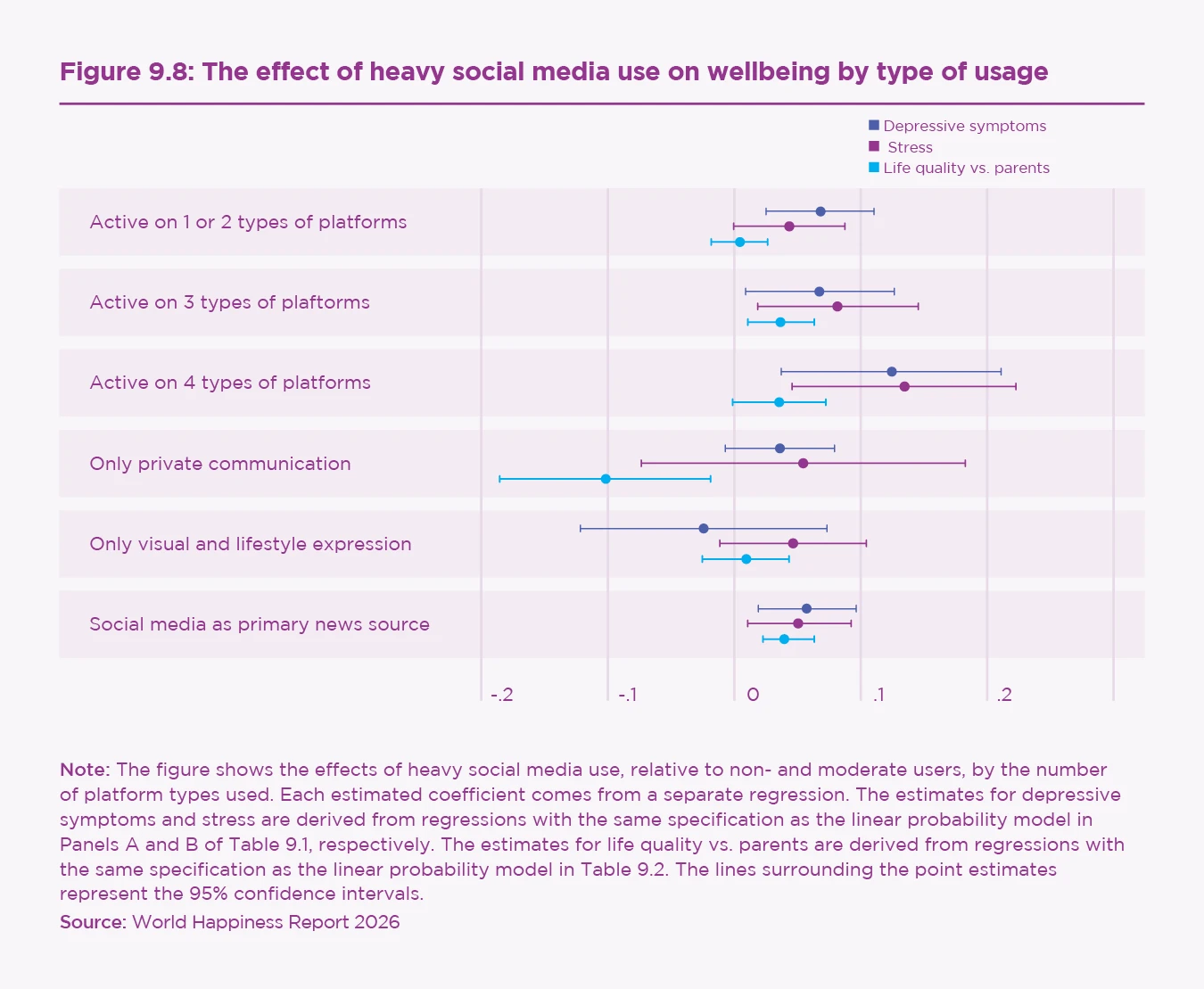
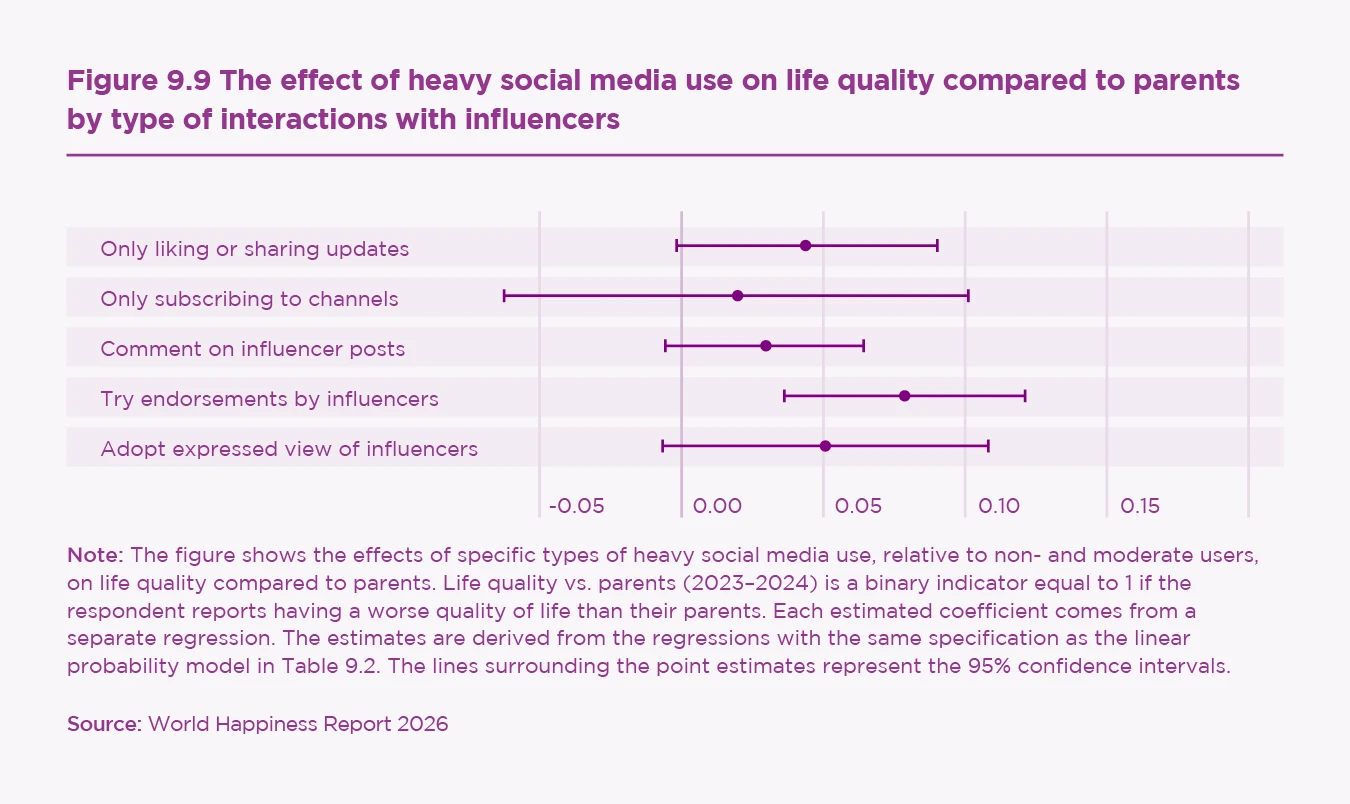
How people used social media also mattered. Heavy users active across more types of platforms were more likely to report poorer wellbeing. Using social media as a primary news source was associated with poorer results on all three measures. In the 2023–2024 data, heavy users who interacted with influencers were more likely to feel worse off than their parents than comparable heavy users who did not. Following influencers alone was not significantly associated with that assessment among moderate users.

The findings should not be read as a prediction for any individual. The surveys cannot establish which way the relationship runs, and the available data do not show how much time a person spent on each platform. The chapter also notes that income, employment, education and other circumstances are important correlates of wellbeing.