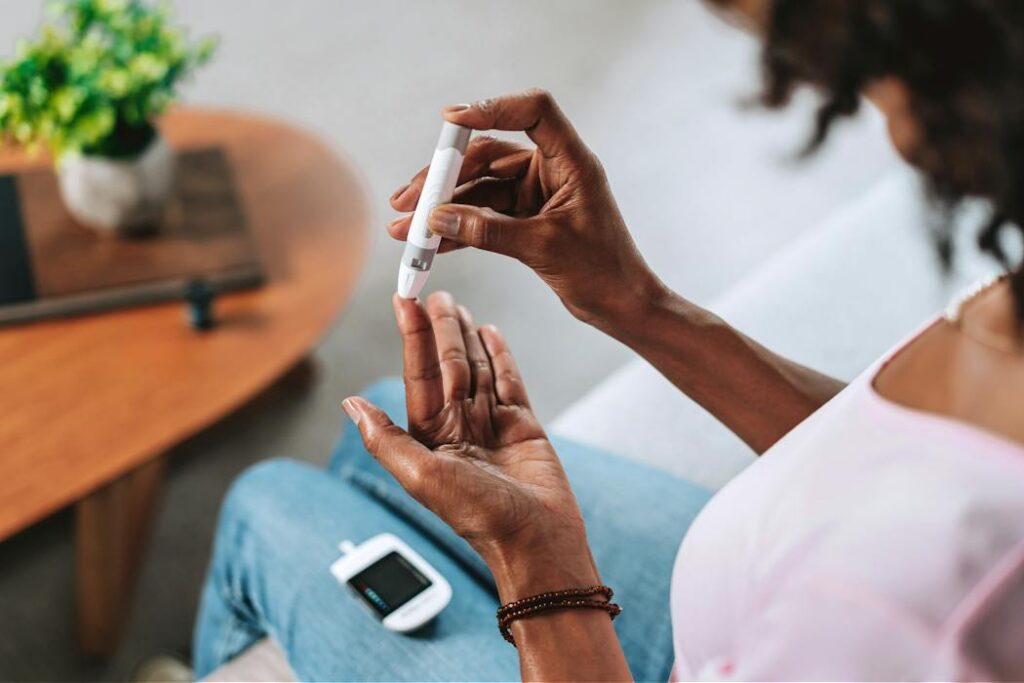
In an article dated November 19, 2026, healthcare researcher Jamie Hartmann-Boyce wrote that advances in Type 1 and Type 2 diabetes matter only if people can obtain testing, medicines, and care. She has lived with Type 1 diabetes for more than 30 years.
More people are living with diabetes
Hartmann-Boyce reported that, in 2026, more than 830 million people worldwide were estimated to be living with diabetes, more than ever before. Most live in low- and middle-income countries, and more than 90% have Type 2 diabetes, in which the body cannot use insulin properly. Type 1 diabetes, the second most common form, is caused by the immune system attacking insulin-producing cells.
A 2023 analysis used existing data to model the future burden. It estimated that by 2050 more than 1.3 billion people will have diabetes, that nearly 17% of people in North Africa and the Middle East may be affected, and that the figure in Latin America and the Caribbean could be 11%. Diabetes increases the risk of dying early and of complications including eye, kidney, and heart disease. It also affects mental health and well-being.
She also pointed to athletes and politicians who had recently drawn attention to the condition. In September 2026, Alexander Zerev won the U.S. Open tennis championship. In October 2026, Garret Mitchell won the baseball World Series. In November 2026, James Talarico was elected to the U.S. Senate. Talarico has used his experience to advocate for lower insulin costs, as has New Hampshire representative-elect Stefany Shaneen, whose daughter lives with Type 1 diabetes.

Why a widely usable cure has not arrived
There is no single cause of either type of diabetes. Genetics, age, race, ethnicity, weight, smoking, diet, and physical activity can all contribute to Type 2. Type 1 is thought to be caused by genetics and the environment. Without one specific cause, cures have largely proved elusive.
Hartmann-Boyce wrote that when she was diagnosed in the early 1990s, she was told a cure for Type 1 would arrive within a few years. Some 30 years later, a cure that works for most people had not arrived.
Promising results have come from treatments in which insulin-producing cells are grown in a lab, or taken from people who have died, and then transplanted into people with Type 1 diabetes. In clinical trials, the majority of people who received transplanted cells either no longer needed insulin or could take significantly lower doses. Needing less insulin reduced their chance of severely low blood sugar, which can be fatal.
The obstacle is immune rejection. The body may recognize the new cells as foreign. For people with Type 1 diabetes the risk is greater, because the immune system has already attacked the body’s own insulin-producing cells. Medications can help, but Hartmann-Boyce wrote that for most people the risks of lifelong immunosuppressants outweigh the benefits of living without Type 1 diabetes.
Other approaches in development include changing cells before implantation so the immune system will not attack them, and using targeted drugs that would stop attacks on insulin-producing cells without impairing the rest of the immune system.
Delaying Type 1, and finding it earlier
Treatments that delay progression, rather than only treating symptoms, are already available. Research has shown that teplizumab can slow destruction of insulin-producing cells in people whose immune systems have started to attack them, delaying the need to start insulin for up to three years. Those years can give people and families time to plan, and give children time to mature without insulin injections, blood-sugar checks, and the disruption diabetes can bring.
A healthy diet and exercise remain key factors in preventing and managing diabetes, but medications are essential for many people. The article does not set out what any individual should take or change.
Type 1 diabetes has no known single cause, but a person is more likely to develop it if a close family member has it. In the United States, people who do not yet have symptoms can be screened for early Type 1 diabetes if a family member lives with the disease. A blood test can identify an immune attack on insulin-producing cells long before symptoms appear and before blood sugar starts rising. A sample can be taken at home and sent to a lab, or drawn in a doctor’s office, then tested for markers showing that the immune system is targeting those cells. That can allow earlier use of drugs that slow progression.
Hartmann-Boyce wrote that her children were tested at a doctor’s office through TrialNet, a long-running research partnership across North America, Europe, and Australia. Results arrived within weeks and showed that neither child had early signs of Type 1 diabetes at that time. She said the family would retest every few years, because an immune attack could still begin later.
Because 90% of people diagnosed with Type 1 diabetes do not have a family member who lives with it, European experts are calling for screening to be rolled out for everyone, not only people at heightened risk. That is a call for wider screening, not a program already in place everywhere.

Type 2 studies, including diet, exercise, and GLP-1 drugs
A clinical trial published in October 2026, involving nearly 100 people with early-onset Type 2 diabetes, found that more than half of participants were in remission six months after starting a low-calorie diet and a supervised exercise program. A 2025 study found that an AI-driven mobile application giving personalized advice on diet, physical activity, and sleep led to sustained remission in more than half of participants for up to three years.
Hartmann-Boyce also wrote that new studies are showing GLP-1 medications not only lower blood sugar but reduce deaths, hospitalizations, and amputations in high-risk populations with Type 2 diabetes. Other recent studies have shown that GLP-1 drugs can prevent the onset of Type 2 diabetes in people with elevated blood sugar. These are study findings, with the limits of the populations and follow-up reported in those studies, not a guarantee for every patient.
Access still determines who benefits
She argued that these reasons for hope change outcomes only when healthcare is available. Because of lack of access to testing, researchers estimate that more than 250 million people worldwide are unaware they live with Type 2 diabetes and therefore cannot try to reverse or treat it. Only about 1 in 2 people across the globe with Type 2 diabetes have access to the insulin they need. GLP-1 access is concentrated in high-income countries, and costs can be prohibitive. Screening and early treatment for Type 1 diabetes are rarely available in low- and middle-income countries. She wrote that if and when a cure comes, many people still will not be able to obtain it.
Research by her team found that the COVID-19 pandemic made diabetes care even harder to reach. T1International, a nonprofit she works with, regularly surveys people with diabetes about essential supplies. In its latest survey, more than a third of the more than 1,000 participants had rationed diabetes supplies in the past year because of cost.
Scientists are looking for ways to make insulin easier to manufacture and distribute. In 1923, Frederick Banting, the Canadian scientist who co-discovered insulin, sold its patent for one Canadian dollar and said, “Insulin is not for me, it is for the world.” Hartmann-Boyce wrote that much still needs to be done to meet that aim, for insulin and for newer discoveries still in development.
Hartmann-Boyce has received diabetes-related research funding from the World Health Organization, the British Heart Foundation, and the University of Oxford. She is an unpaid research fellow with T1International.