The American Cancer Society announced on November 12, 2026, that it had released major changes to its prostate cancer screening guidelines in order to improve detection and treatment. In an explanation published on November 15, 2026, Dr. Andrew Wolf, a physician at the University of Virginia and one of the lead authors, described the changes and why they were made. Wolf chairs the society’s Guideline Development Group as a volunteer.
What the new recommendations say
The biggest change is a proactive recommendation to screen. Previously, the society advised people to talk with a health care provider and decide whether screening was right for them. The new advice varies by age and by risk of developing prostate cancer.
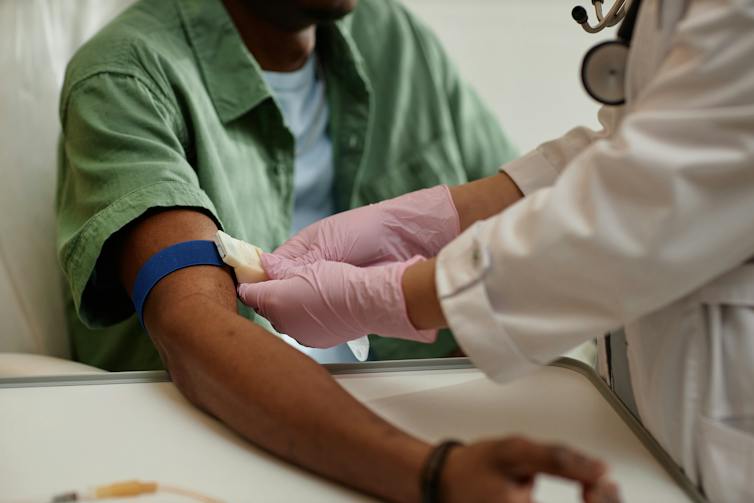
For people at average risk, the guidelines recommend a prostate-specific antigen (PSA) blood test every two years from age 50 through 69. PSA is a protein made by prostate cells. Cancer and other conditions can cause PSA levels to rise. The test involves a single blood draw.
People at higher risk, including Black men and men with a strong family history, should be screened annually from age 45 to 69. A strong family history means a family member diagnosed with prostate cancer before age 65, or multiple family members diagnosed at any age. People with a single family member diagnosed at age 65 or older should be screened every two years from age 45 to 69.
For ages 70 to 74, the guidelines recommend talking with a health care provider about whether to continue screening. Wolf said the benefit in this age group is uncertain, so the decision depends on personal preferences, overall health, and life expectancy.
For people over age 74, the guidelines recommend against screening. Potential harms, such as more invasive follow-up tests and treatment, are likely to exceed the benefits in this age group.
The guidelines also recommend against using a digital rectal exam to screen for prostate cancer, because it is less effective than the PSA test. That exam may still help when clinicians are evaluating an elevated PSA or symptoms related to the prostate.
Why the guidelines changed
Wolf said the past decade has produced mounting evidence that PSA screening reduces the risk of dying from prostate cancer or of being diagnosed with metastatic disease, and that those benefits are greater than researchers previously thought. He also said there have been significant developments intended to reduce harms, including false-positive PSA results and the diagnosis and treatment of tumors that are unlikely to harm patients over the long term.
Who is at higher risk
According to Wolf, Black men have an approximately two-thirds higher risk of developing prostate cancer than white men, and a greater risk of more advanced disease at diagnosis. He said these disparities are likely due to a combination of genetic, environmental, social, and health care access factors.
Men with prostate cancer in a close relative—a parent, sibling, or child—are also at elevated risk. Some genetic mutations, including BRCA2, confer a significantly elevated risk. Screening advice for people with these mutations is beyond the scope of this American Cancer Society guideline. Wolf said other organizations, including the National Comprehensive Cancer Network and the American Urological Association, have issued recommendations for people with these high-risk mutations.

Why PSA testing was controversial
For years, Wolf said, clinicians believed the benefits of PSA screening were uncertain and did not necessarily outweigh the potential harms. That view rested in part on two large trials published in 2009. A U.S. study found no benefit; a European study found only a relatively small benefit.
Wolf said it later became clear that the U.S. study was seriously flawed in a way that kept it from showing a benefit: almost 90% of men in the control group, who were not supposed to be screened, were screened, and many men with abnormal PSA levels did not receive follow-up. In the European study, most men assigned to standard care without testing did not get a PSA test, so it was closer to a true comparison of screening and no screening.
After researchers followed patients for more than two decades in the European study, Wolf said, screening reduced the risk of dying from prostate cancer by 13%, and about 500 men needed to be screened to avert one death from the disease. He said that figure is comparable to other routinely offered cancer screening tests, such as mammography for breast cancer. He added that the number who would need to be screened to prevent one death would be significantly lower if the results were extrapolated to a lifetime of screening starting at age 45 or 50, rather than the average of two screenings men received in the study.
How this differs from other U.S. advice
The U.S. Preventive Services Task Force has separate prostate cancer screening guidelines. As Wolf described them, those guidelines currently recommend that clinicians not screen unless the patient indicates a preference to proceed. At its last update in 2018, the task force judged that potential benefits and harms were too closely balanced to recommend screening. Wolf said the task force has been updating its guidelines over the past several years, and that an update might align more closely with the American Cancer Society’s. In his view, there is now sufficient evidence of benefit and a sufficient reduction in risks to recommend screening proactively.
He said the two sets of guidance do agree that patients should be told the benefits, risks, and limitations of screening. He also said it is likely that the new American Cancer Society recommendations will be covered by most insurers, although patients may have out-of-pocket costs for further testing ordered after an abnormal PSA result.
Why some people may still decline
Wolf said that although he considers the benefits to far outweigh the risks, some people may have legitimate reasons not to be screened. Some may want to avoid a prostate biopsy, which is how clinicians diagnose prostate cancer when PSA is elevated and a follow-up MRI or biomarker test is abnormal. Biopsies are uncomfortable and may cause bleeding or, occasionally, an infection.
Others may want to avoid active surveillance if they are found to have a tumor that is not growing aggressively. Active surveillance involves periodic biopsies, MRI scans, or both, which can be inconvenient and cause anxiety. Some people may want to avoid possible side effects of treating early-stage prostate cancer with surgery or radiation, which can include sexual, urinary, and bowel problems.
Forgoing screening, Wolf said, also means forgoing the chance to find cancer at its earliest stages, when the chance of a cure is very high.
These are screening guidelines, not individual medical advice. Whether to be screened depends on age, risk, health, and personal preferences and is a decision to make with a clinician.