
A comparison published on January 1, 2026, examined how three US authorities translated research on social media and adolescent mental health into policy guidance. Its finding was not that one report had settled the question. The reports cited broadly similar types of research but differed in how they selected, explained and qualified that evidence.
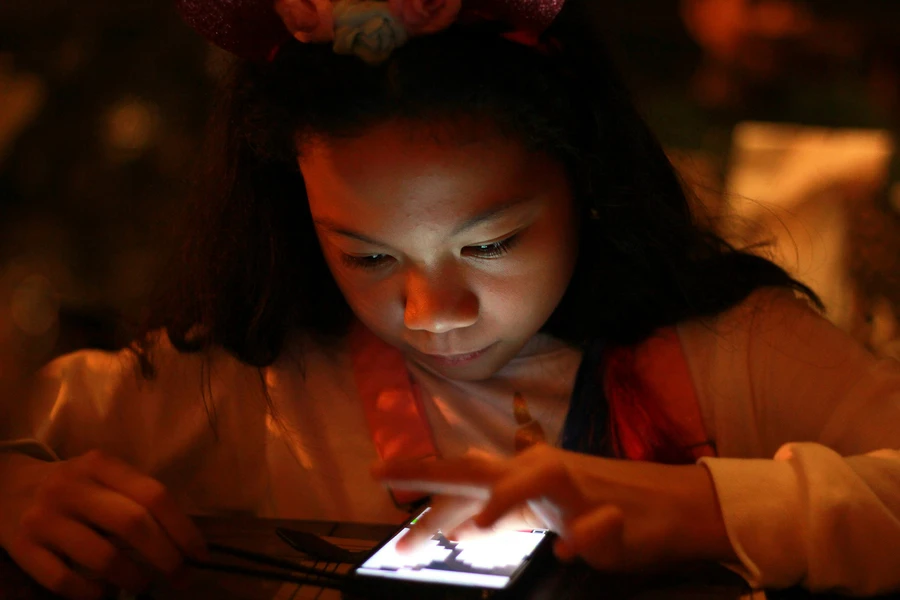
The analysis covered reports issued in 2023 and 2024 by the American Psychological Association (APA), the National Academies of Sciences, Engineering, and Medicine (NASEM), and the US Surgeon General’s Office. Their aims and lengths differed. The Surgeon General’s advisory called for urgent action and advocated pursuing policies that further limit children’s access to social media. NASEM concluded that the available literature did not support a population-level conclusion that social media causes changes in adolescent health, and cautioned against recommendations that overreach the data. These were policy positions, not descriptions of enacted restrictions.
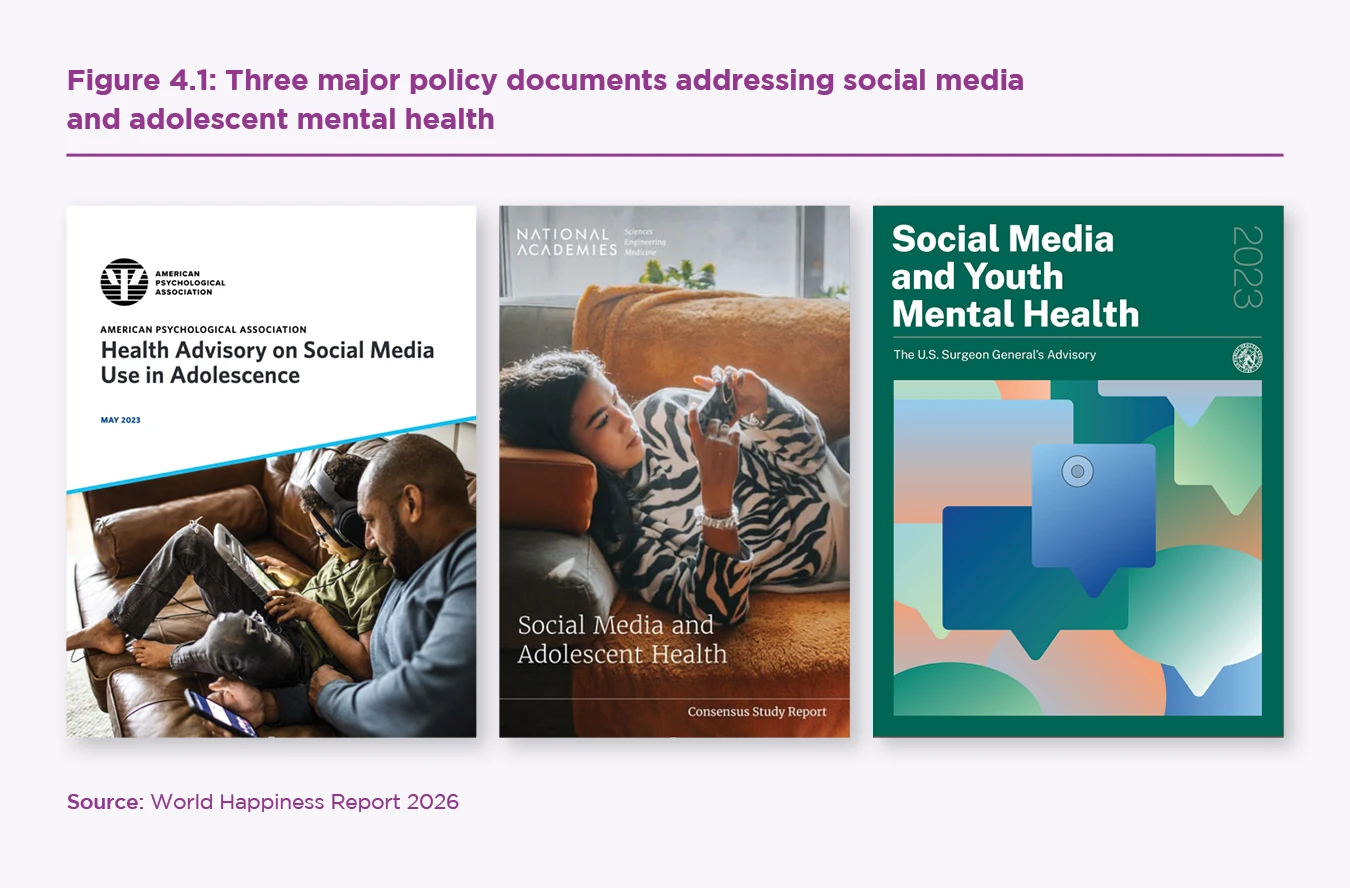
Similar research profiles, little citation overlap
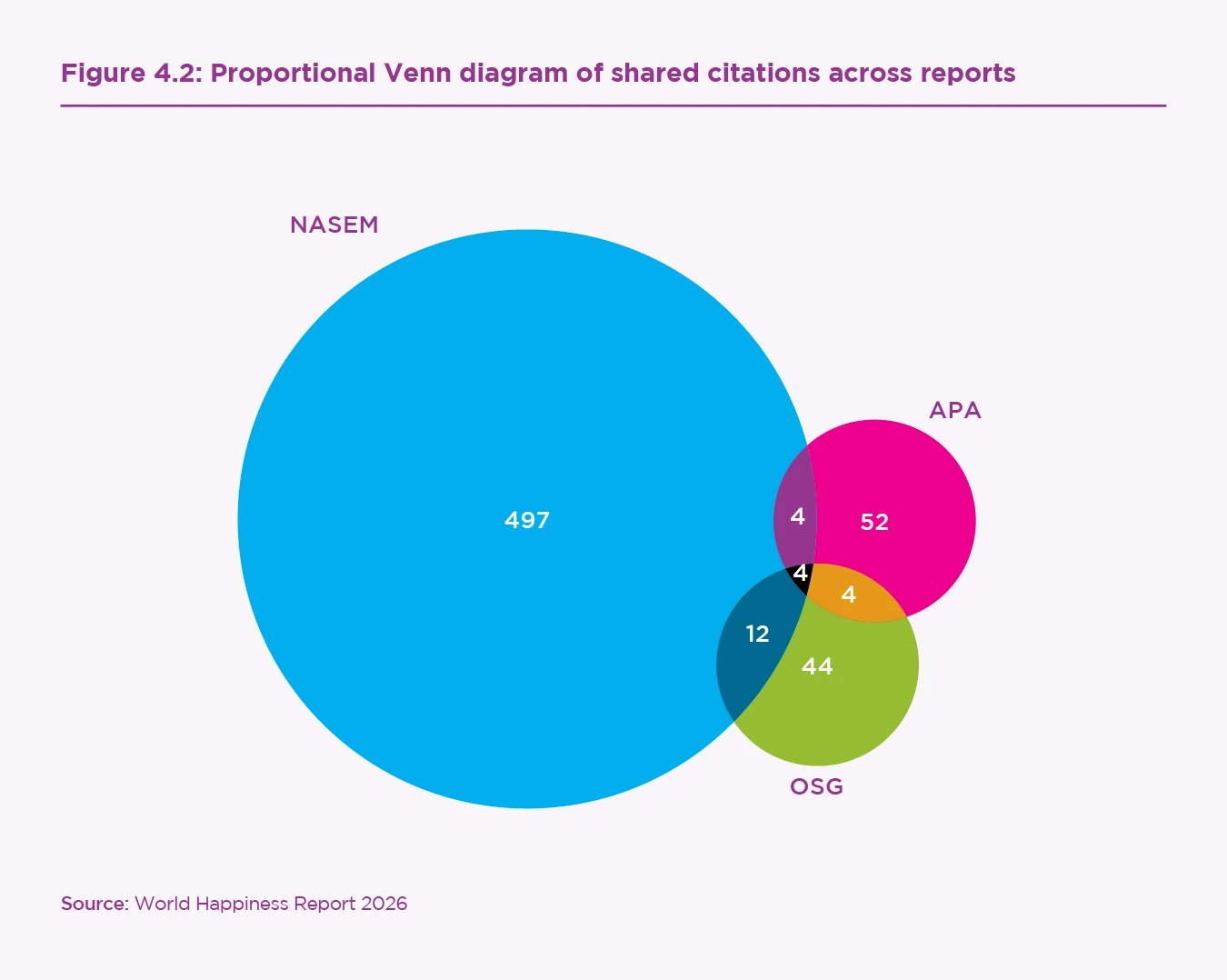
The authors examined 1,063 citations across the reports and identified 617 unique peer-reviewed articles. They then focused their analysis of study characteristics on 355 articles primarily concerned with social media and health. Only four articles appeared in all three reports—less than 1% of the 617 unique peer-reviewed works. Despite that limited overlap, the authors found broadly similar methodological and thematic profiles among the research each organisation cited.

Of the 355 articles in the focused analysis, 59 (16.6%) used methods the authors judged plausibly capable of supporting causal inferences. That classification does not mean those studies established that social media caused a particular mental-health outcome. The authors also noted that much of the literature examined general screen time or social media use rather than specific platforms.
How the evidence was described mattered
In their qualitative reading, the authors found that NASEM more consistently discussed study limitations and conflicting findings. They identified instances in the APA and Surgeon General reports where, in their assessment, citations lacked important context or presented a narrower account of a study’s findings. For example, they argued that an APA claim about the risks of infinite scroll cited a study of adolescents’ effortful control that did not examine social media or infinite scroll. Those are the comparison authors’ assessments of citation use, not findings that every claim in those reports was inaccurate.
The analysis has limits. It examined three US organisations’ final documents, not their internal deliberations; its qualitative component was not a complete citation audit. It also did not test whether the reports’ proposed policy interventions would work. The organisations’ different purposes and report lengths may partly explain differences in detail.

For parents and policymakers, the distinction is important: concern about adolescent wellbeing does not by itself establish what social media causes, or which response would help. The comparison argues for recommendations that state clearly what the cited studies show, where the evidence is uncertain and how that uncertainty affects policy choices.