
In reporting published on October 29, 2026, The Verge examined Haemanthus, a health-technology venture that Billy Evans describes in the documentary You Can See Everything as “Theranos 2.0.” Evans is Elizabeth Holmes’ partner, but the venture’s stated position is that Holmes is not leading it. How well Haemanthus’s proposed device works remains unclear.
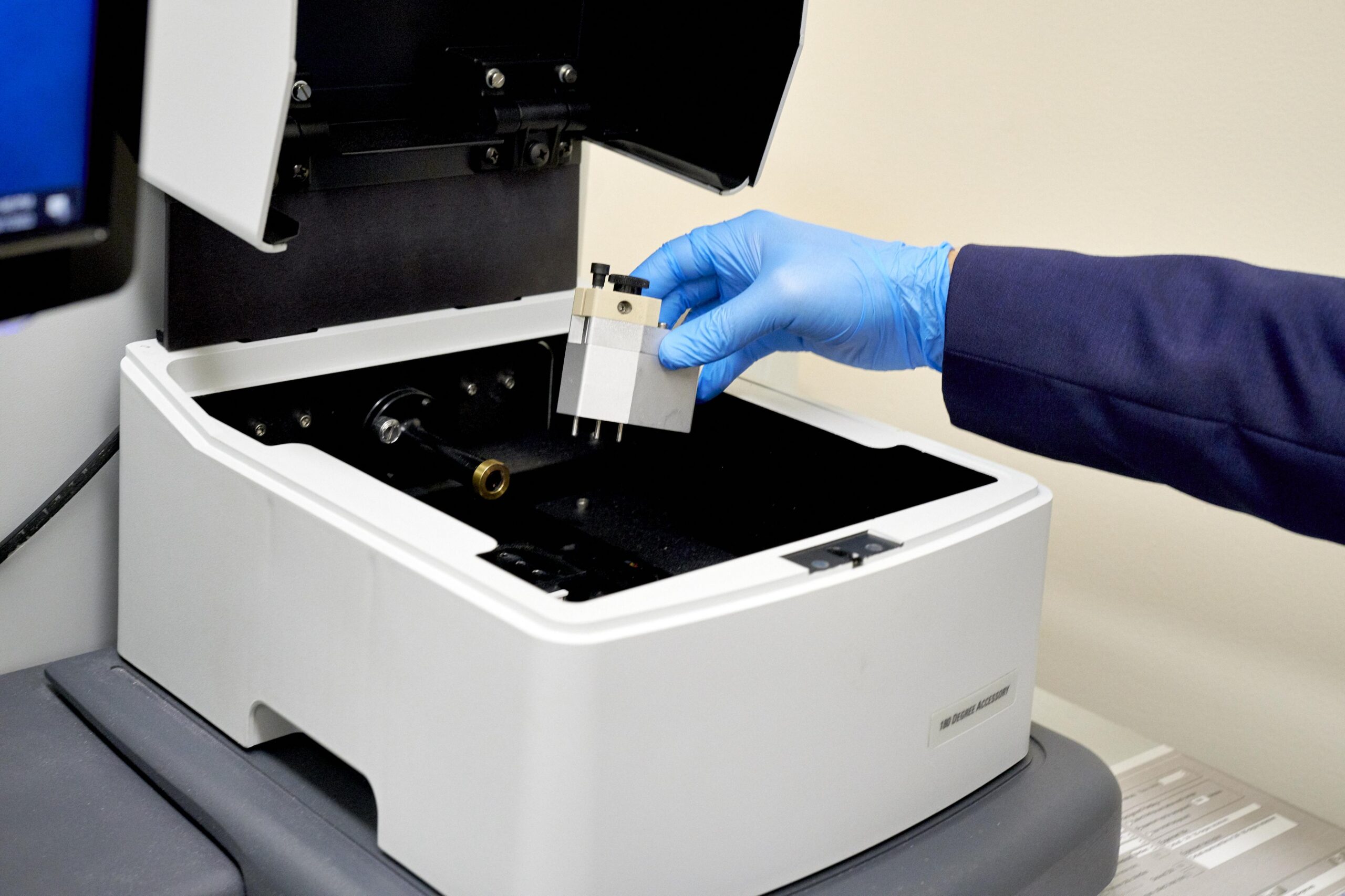
According to a 2025 New York Times report cited in The Verge’s account, Haemanthus aims to use a laser to analyze blood, saliva or urine from pets at the molecular level, with possible human applications later. A patent published by the Times indicates that the approach uses Raman spectroscopy. That is an established technique for identifying molecular structures, not a newly discovered technology. Researchers are exploring medical uses for it, including cancer detection and glucose monitoring, but those areas of research do not establish that Haemanthus can deliver a reliable diagnostic device.
The distinction matters because Theranos’s device never worked as advertised. Its promise of numerous accurate tests from a finger-prick sample ran into practical problems, including limited sample volume, contamination and differences in how biomarkers must be tested. Theranos used conventional Siemens testing equipment instead.
Evans said in the documentary that Haemanthus could have a working prototype in about a year; he made that prediction in 2023. The Verge also cited the Times report’s description of a longer-term plan for a stamp-size human wearable requiring three years and $70 million. These are plans and claims, not demonstrated clinical results or regulatory approvals.
For any proposed diagnostic technology, the questions are whether its methods and results can be independently examined, how it performs against existing tests, and whether it has met the applicable regulatory requirements. Published research alone is not proof of effectiveness, but without reviewable evidence, the claims are especially difficult to assess.