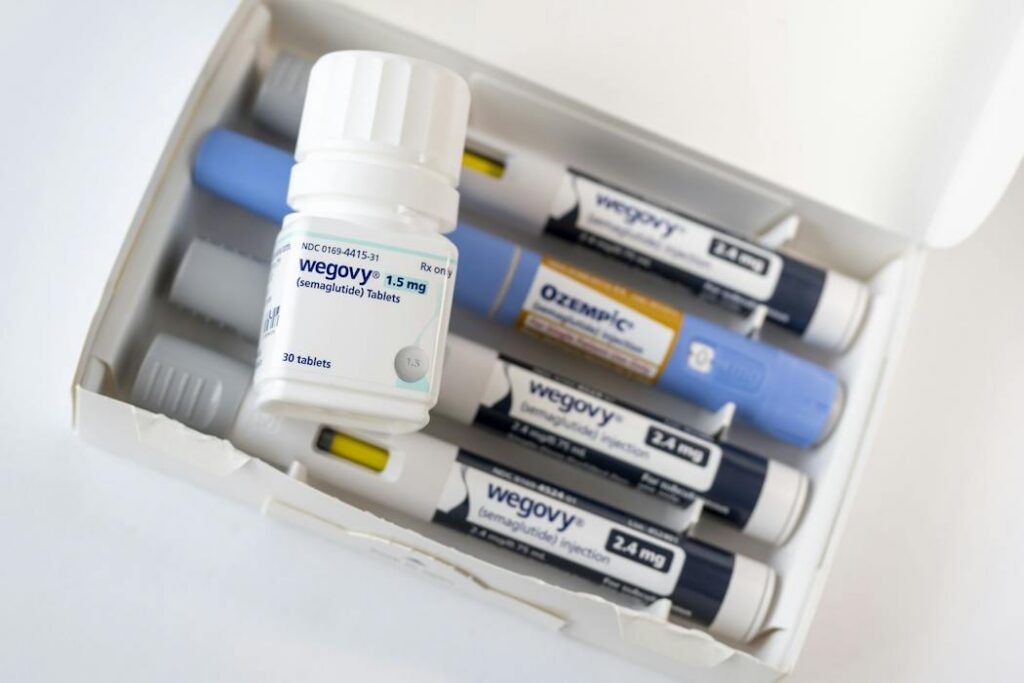
In reporting dated 11 November 2026, clinician and epidemiologist Ziyad Al-Aly explained a U.S. Food and Drug Administration announcement from 9 November 2026: GLP-1 drugs must carry a warning about a potential link to non-arteritic anterior ischemic optic neuropathy (NAION), a rare condition doctors often call a stroke of the eye. Al-Aly and colleagues published one of the studies that identified an association between these medicines and NAION.
Millions of people worldwide take GLP-1 drugs, including 30 million in the United States, for diabetes and obesity and to reduce the risk of cardiovascular disease. The medicines are also being investigated for a widening list of other conditions. Al-Aly wrote that the data behind the warning suggest a real but low risk, and that NAION is not a trivial outcome for people who develop it. His own assessment was that someone using a GLP-1 drug for an FDA-approved condition such as diabetes or obesity, on a doctor’s advice, should not be deterred by this risk alone. That is his reading of the balance of evidence, not individual treatment advice.
What NAION is
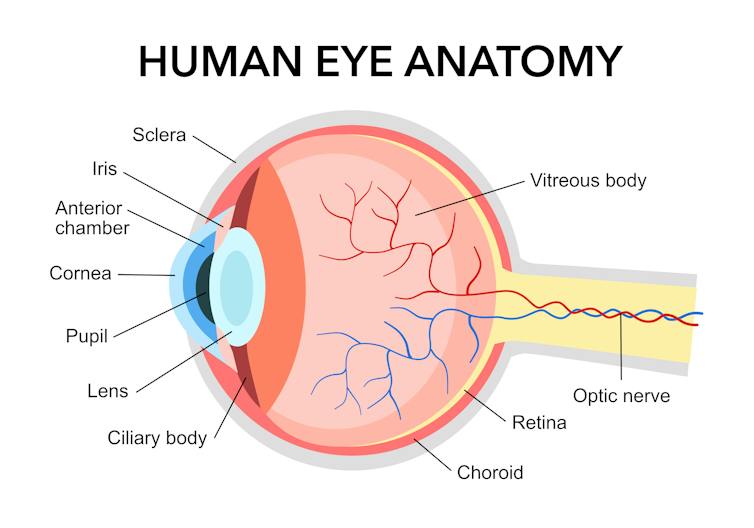
NAION is an injury to the optic nerve, which connects the eye to the brain, caused by a sudden reduction in blood flow. People may have sudden, painless blurry vision, dark patches, partial loss of vision, or blindness. Symptoms generally persist and often lead to permanent visual impairment. Patients often notice them on waking; the condition tends to occur more often at night, when blood pressure is naturally lower.
Evidence the FDA reviewed
GLP-1 use rose especially after 2021, when the drugs were approved for obesity, and cases of NAION began to be reported. A 2024 study of close to 17,000 patients referred to ophthalmology clinics was the first to report a potential link, with a higher risk in the subset prescribed a GLP-1 drug.
To judge whether a warning was warranted, the FDA compiled 126 randomized controlled trials covering 134,253 patients: 78,217 were taking a GLP-1 drug and 56,036 received a placebo or a different medication. Per year, on average, NAION occurred in 6.4 per 100,000 people on GLP-1 drugs and 3.8 per 100,000 among those given a placebo or another drug. That is 2.6 extra cases per 100,000 patients on GLP-1 drugs.
In a separate analysis, the FDA used its sentinel programs, which track the real-world safety of approved medicines. It looked at how often people with type 2 diabetes who started a GLP-1 drug, or one of two other common types of diabetes medication, had NAION reported between 2019 and 2024. Compared with DPP-4 inhibitors — drugs that prevent breakdown of the body’s own GLP-1 — patients on GLP-1 drugs had a small but meaningfully higher risk. Over one year, the rate was 32 per 100,000 for GLP-1 drugs and 26 per 100,000 for DPP-4 inhibitors, or 6 extra cases per 100,000.
Other studies, and which drugs
Studies that follow people through electronic health records or insurance claims have also found a consistent association. Al-Aly and colleagues tracked nearly 600,000 U.S. veterans with type 2 diabetes who started either a GLP-1 drug or a different drug, over three years. Incidence was roughly 390 cases per 100,000 people on GLP-1 drugs, compared with 290 per 100,000 on an alternative medication — about 100 extra cases per 100,000. That figure varied across studies, which he linked to differences between patient groups, such as older age or other conditions that may add to risk.
The increase does not appear specific to any one GLP-1 drug and has been seen regardless of which GLP-1 product a patient takes. Some products might carry a higher risk than others, but Al-Aly noted that research has not yet addressed that question.
The FDA announcement followed a 2025 review by European regulators that examined NAION only for semaglutide. Those regulators concluded that the condition is a very rare side effect of semaglutide and required the package insert to list it as such.
What Al-Aly says the finding means
Al-Aly wrote that the risk is likely real. He pointed to the FDA’s two analyses, real-world studies by independent researchers, and the fact that two regulators reached the same view independently. In terms of how many people are likely to be affected, he described the risk as small. In his view, the warning is not a cause for alarm, but an unlikely outcome that clinicians and patients should know about.
He said clinicians should discuss NAION before prescribing a GLP-1 drug, and that patients should know the symptoms and seek immediate care at the earliest sign of vision problems. For people who have already had NAION, or who have risk factors including smoking, diabetes, high blood pressure, sleep apnea, anemia, and kidney disease, he said a careful discussion weighing risks and benefits is important.
Al-Aly disclosed that he does not work for, consult for, own shares in, or receive funding from any company or organization that would benefit from the article, and that he has no relevant affiliations beyond his academic appointment.