
Reporting dated November 20, 2026, sets out guidance from Reed Berger-Fleishman, a physician specializing in obesity medicine, on Thanksgiving and winter holiday gatherings for people taking GLP-1 medications for diabetes, weight management or other medical reasons.
Whether given by injection or by mouth, these drugs reduce hunger, slow stomach emptying and help people feel full sooner and stay full longer. Many patients also report fewer cravings for high-calorie foods and less desire for alcohol. In the United States, approximately 1 in 10 adults used these medications in 2025, and prescribing rates were still rising.
Berger-Fleishman describes the drugs as helpful for acting on dietary changes people already know they want to make, because appetite and food preoccupation may be quieter when holiday portions are larger and foods richer. The medications do not remove the chance of overeating. Patients who previously had little or no nausea may develop significant nausea or vomiting after eating past a newer, smaller comfort level. Rich, high-fat foods in particular can worsen nausea and prolong fullness.
The physician stresses noticing nausea, bloating and early fullness rather than finishing a plate, and favors smaller portions eaten slowly with pauses between bites. A few bites of a favorite dish may be more satisfying than a full serving. The drugs do not make those choices automatically; they can reinforce them.
Alcohol can worsen nausea, acid reflux, dehydration and other gastrointestinal symptoms some people already have on GLP-1 treatment, even if alcohol was previously well tolerated. Some patients report little desire to drink at all. Precautions Berger-Fleishman describes, for anyone who chooses to drink, are to start with less than before treatment, avoid drinking on an empty stomach, avoid a particularly large or high-fat meal beforehand, drink water through the occasion, and stop if nausea, dizziness or other unpleasant symptoms appear.
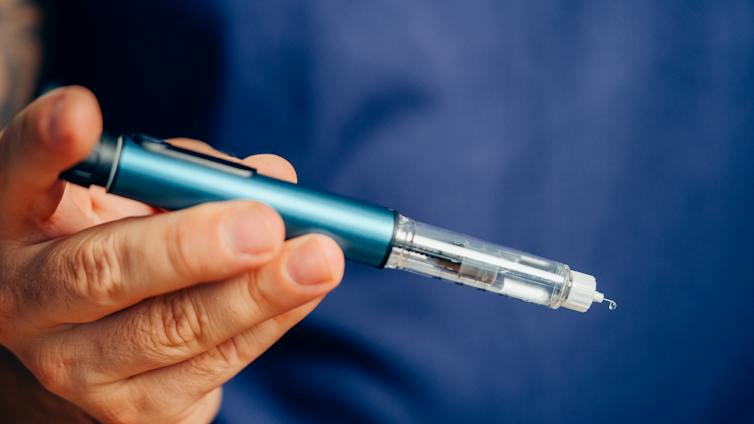
Holiday travel can disrupt storage, schedules and refills. Requirements differ by product: some injectable GLP-1 medications must be refrigerated before use, while others allow room-temperature storage for a specified period after dispensing or first use. The physician advises checking the prescribing information for the specific medication or asking a pharmacist, rather than assuming all injectables can stay unrefrigerated for the same time. On a flight, medication and supplies should stay in carry-on luggage to limit extreme temperatures and problems if checked bags are delayed or lost; a note from the prescribing clinician may also be needed. Refills should be arranged in advance, because prescribing and dispensing rules can complicate getting medication in another state. Dosing should stay on the usual schedule. Taking an extra dose or doubling up to handle a holiday meal or further suppress appetite can increase the risk of significant side effects and potentially cause an overdose. If travel causes a missed dose, the instructions for that specific medication should be followed, or the prescribing clinician or pharmacist contacted.
In this account, the holidays are not everyday life, and one large meal or dessert does not erase longer-term progress. The approach described is to allow a special meal, recognize when enough has been eaten, and return to usual routines afterward rather than letting one celebration become several weeks of abandoned habits.
The guidance reflects one physician’s clinical experience with patients, not findings from a new study reported here, and it is not personal medical advice. Effects, storage and dosing vary by product and by person.
Berger-Fleishman does not work for, consult, own shares in or receive funding from any company or organization that would benefit from the article, and has disclosed no relevant affiliations beyond an academic appointment.