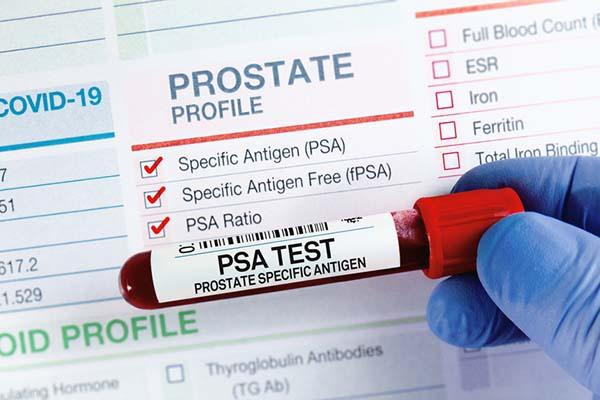
Prostate cancer often causes no symptoms, even when the disease is advanced. A prostate-specific antigen (PSA) test can detect some cancers before symptoms appear, but symptoms alone cannot reliably distinguish cancer from other prostate conditions.
In an article published April 17, 2026, Dr. Marc B. Garnick of Harvard Medical School and Beth Israel Deaconess Medical Center explained that early-stage prostate cancer, when it does cause symptoms, may affect urination. Possible changes include needing to urinate more often or urgently, waking repeatedly at night to urinate, difficulty starting or stopping the stream, and feeling unable to empty the bladder fully.
These symptoms more often have a noncancerous cause. Benign prostatic hyperplasia (BPH), an enlargement of the prostate common with age, and prostatitis, inflammation of the prostate and surrounding tissues, can also cause urinary symptoms. Garnick said anyone experiencing such changes should be evaluated by a doctor rather than assume they indicate cancer.
According to Garnick, symptoms that develop rapidly or involve urinary urgency and frequency without difficulty emptying the bladder would be unusual for BPH and warrant closer assessment. A clinician may use a symptom questionnaire, examination and PSA testing to investigate. PSA can rise with either BPH or cancer, so a result must be interpreted in context. Garnick described MRI and, in some cases, continued PSA monitoring as possible parts of the evaluation; a biopsy may sometimes be deferred, rather than ruled out permanently.
Advanced prostate cancer can also remain symptom-free. When it spreads to bone, Garnick said it may cause pain in the back or shoulder. Persistent back pain that worsens despite treatment may call for further evaluation. Fatigue and weight loss, he added, are not typical signs of prostate cancer unless it is very advanced and has spread widely.