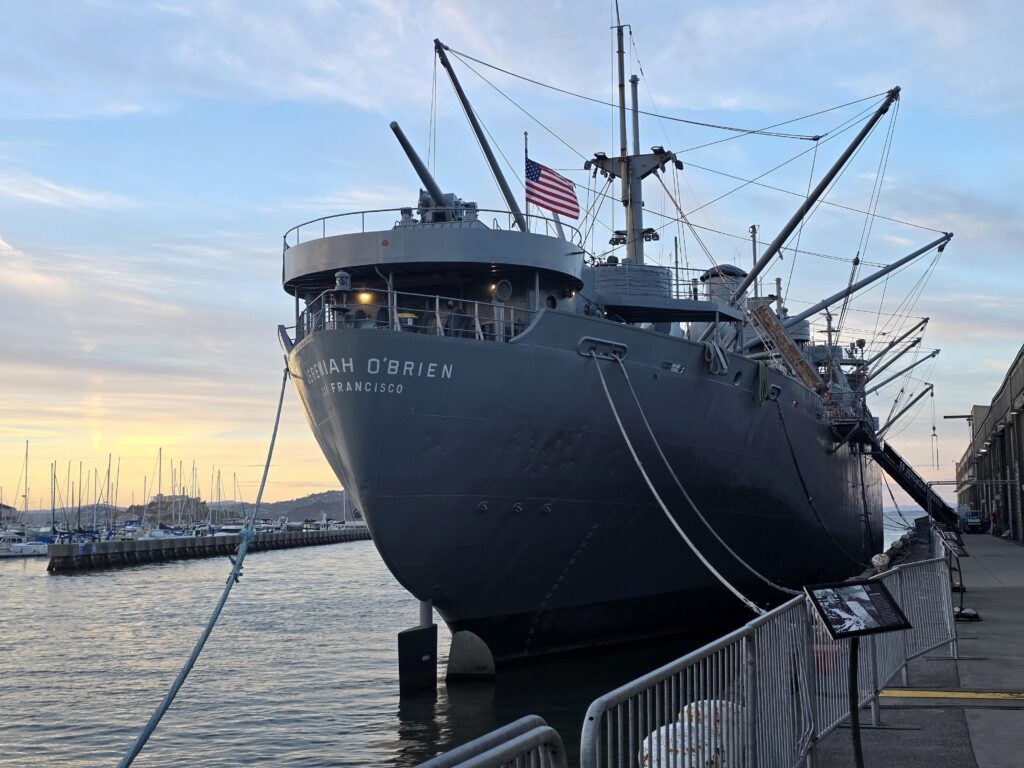
As reported on November 13, 2026, a group of biotech investors and telehealth company Hims & Hers were promoting US-made peptides. Their argument centered on the sourcing and oversight of substances that some consumers buy through the gray market. Domestic manufacturing, however, would not by itself establish that a product is safe or effective.
At an event aboard the World War II ship SS Jeremiah O’Brien, organizers Roxana Grunenwald, Yuva Krishnapillai and Elia Ahmadi of biotech accelerator Haus Fund argued for a US-based peptide supply chain. Roughly 150 people attended. Guests were offered a topical cream containing GHK-Cu and three types of dissolvable peptide strips; no injections were provided. The effectiveness of the strips is unclear.

The push follows an interim US Department of Health and Human Services policy decision allowing certain unapproved peptides to be compounded. It is not a permanent rule or a finding that those substances are safe and effective. At a public hearing in July, FDA scientists said there was insufficient evidence to establish the safety or efficacy of the experimental peptides in question. Some industry experts have warned that the policy could let providers and compounding pharmacies sidestep clinical trials and the drug-approval process.
Haus Fund’s organizers see domestic production as a way to improve accountability. Ahmadi said Americans buying from overseas gray-market sellers have little recourse if something goes wrong. Krishnapillai argued that a US compounding supply chain could give regulators a clearer view of the market. Those are the organizers’ arguments, not evidence that domestically made peptides are clinically proven.
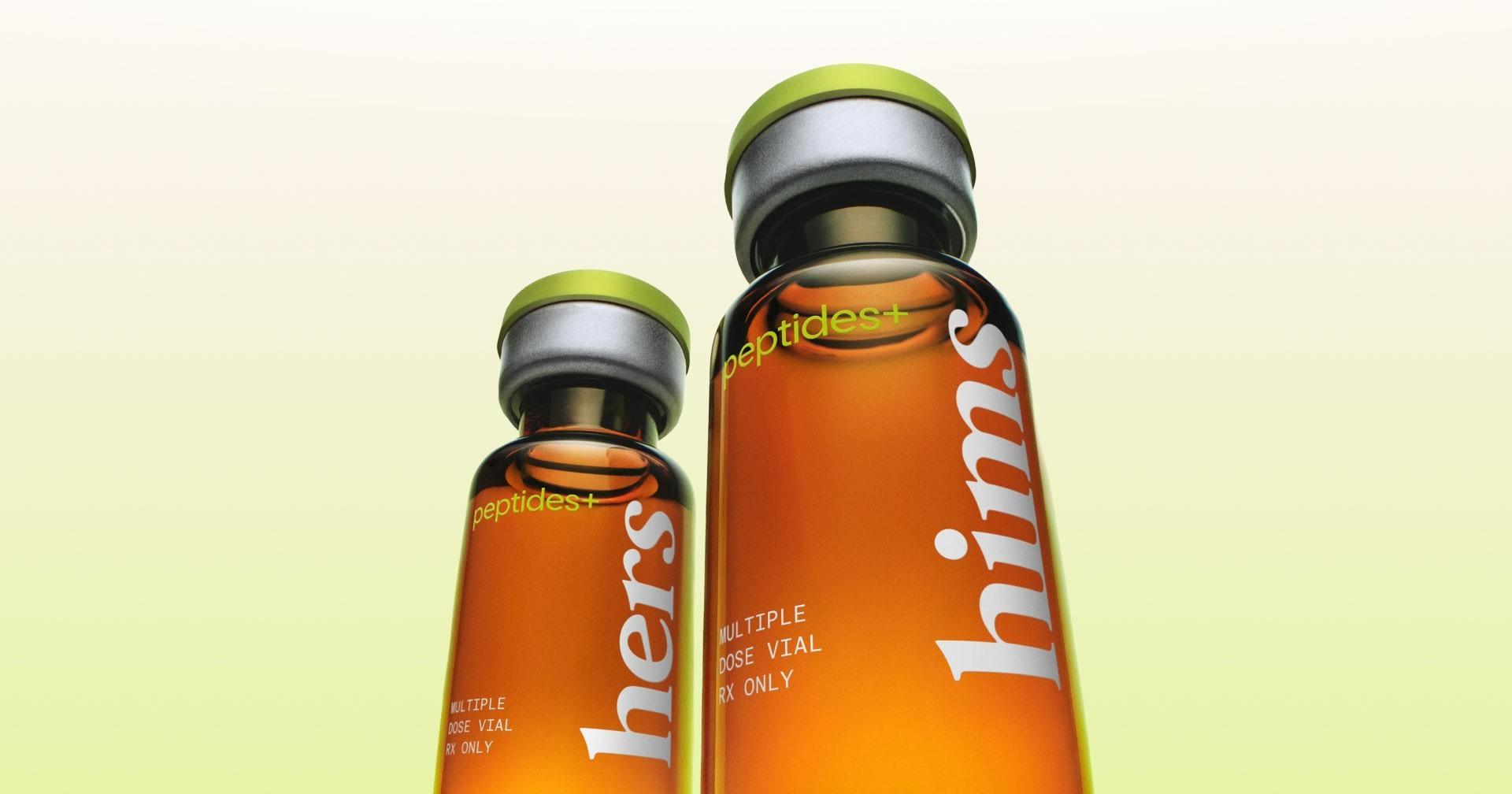
Hims & Hers also described plans for a forthcoming service called Peptides Plus. Its chief medical officer, Dr. Anant Vinjamoori, said the company had purchased an active-ingredient manufacturing facility in California and intended to use it for a US-made supply chain. The company said it planned to offer access to sermorelin, glutathione, B12, NAD+ and L-carnitine at launch, with BPC-157 and TB-500 to follow when allowable. Some items on the launch list, including B12 and NAD+, are not peptides. Vinjamoori did not provide pricing.
Where a substance is made may matter for tracing its source and holding suppliers accountable. It does not answer the separate questions of whether a particular use works or whether its benefits outweigh its risks. Those questions remain especially important for experimental peptides covered by the interim policy.